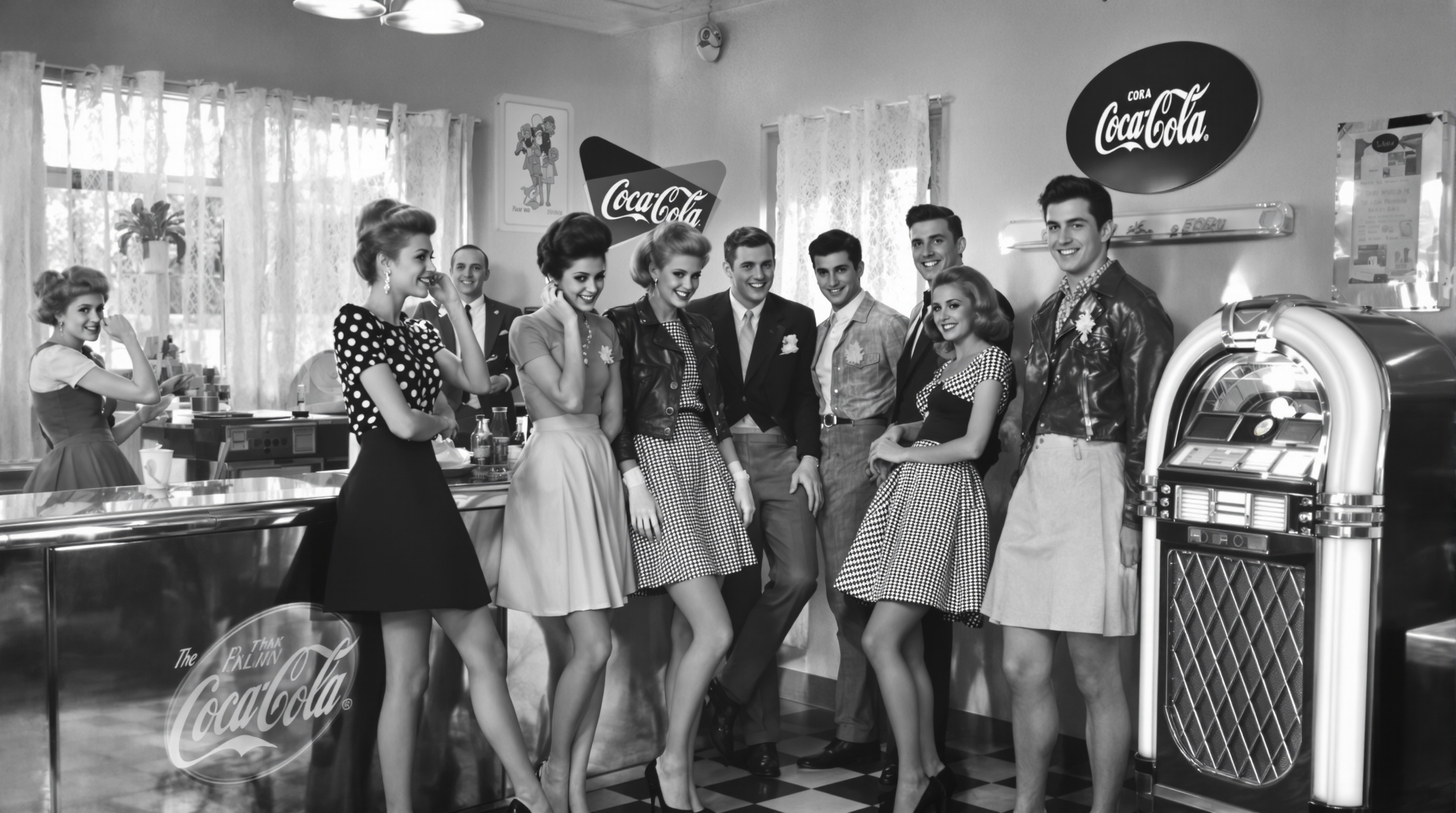
The Golden Era of 1960s Pop Music
The early 1960s represent one of the most vibrant and transformative periods in American popular music history. It was during this golden era that Dale and Grace emerged with their distinctive sound, joining a remarkable community of artists who would shape the musical landscape for generations to come. Understanding this era helps us appreciate the context in which "I'm Leaving It Up To You" became a phenomenon.
The Pre-British Invasion Sound
Before The Beatles landed in America in February 1964, American pop music had developed its own rich ecosystem of sounds and styles. The early 1960s saw the rise of girl groups, vocal harmony acts, and teen idols whose music dominated the airwaves and captured young hearts across the nation.
This was the era of The Supremes, The Ronettes, and The Shirelles. It was a time when Phil Spector's Wall of Sound productions created epic romantic soundscapes, and when Motown was establishing itself as a powerhouse of African American musical entrepreneurship. Into this diverse and dynamic scene came Dale and Grace, bringing their Louisiana flavor to the national stage.
The Sound of Romance
Much of early 1960s pop music focused on themes of romance—first love, heartbreak, hope, and longing. These songs spoke to a generation of teenagers experiencing these emotions intensely and seeking music that reflected their inner lives. Dale and Grace's "I'm Leaving It Up To You" fit perfectly into this romantic landscape while offering its own distinctive take on love.
The production values of the era emphasized vocal performance and emotional delivery. Unlike the heavily distorted rock that would emerge later in the decade, early 1960s pop featured clear vocal arrangements and melodic accessibility. This approach suited Dale and Grace's style perfectly, allowing their harmonies to shine without competition from overwhelming instrumentation.
Regional Sounds Going National
One of the fascinating aspects of early 1960s pop was how regional sounds could suddenly achieve national prominence. Louisiana, with its unique blend of Cajun, Creole, rhythm and blues, and country influences, produced numerous artists who brought distinctive flavors to the national charts.
Dale and Grace represented this Louisiana tradition. Their sound carried traces of their regional heritage—the warmth, the soul, the particular way Southern voices shaped melody and rhythm. This authenticity gave their music a quality that distinguished it from acts emerging from New York or Los Angeles.
According to the Smithsonian Institution, the regional diversity of American popular music in the early 1960s contributed to an especially rich and varied musical culture. Artists from different backgrounds brought unique perspectives and sounds that collectively created the tapestry of the era.
The Role of Radio
Radio was the primary medium through which music reached American ears in the early 1960s. Top 40 radio stations wielded enormous influence, and disc jockeys became cultural tastemakers whose playlist decisions could make or break a record. When DJs across the country started playing "I'm Leaving It Up To You," they unleashed its potential to connect with a massive audience.
The format of AM radio in this era favored catchy, immediately appealing songs. Dale and Grace's hit possessed exactly the qualities that made songs successful on radio: a memorable hook, emotional accessibility, and production that sounded good on car radios and transistor sets alike.
Vocal Harmony Tradition
Dale and Grace emerged from a long tradition of vocal harmony in American popular music. From barbershop quartets to doo-wop groups, the blending of voices had always been central to American musical expression. The duo format, with two voices interweaving in close harmony, offered an intimate variation on this tradition.
Other successful duos of the era included Mickey and Sylvia, Don and Juan, and later, Sonny and Cher. Each brought their own dynamic to the format, but all demonstrated the power of two voices combining to create something greater than either alone. Dale and Grace's particular chemistry placed them among the most successful of these pairings.
The Changing Times
By 1964, the musical landscape was shifting dramatically. The British Invasion, led by The Beatles and followed by waves of UK acts, transformed American popular music. The sound became edgier, the hair got longer, and the innocent romance of early 1960s pop gave way to more complex themes and sounds.
Artists like Dale and Grace found themselves navigating a rapidly changing industry. Some adapted their sound to match new trends; others maintained their established style and found loyal audiences who appreciated their timeless approach. Dale and Grace's eventual move to gospel music represented one path through these changing times—a direction that allowed them to continue making meaningful music while staying true to their deepest values.
Preserving the Recordings
The preservation of 1960s recordings has become an important cultural priority. Original master tapes from this era are fragile, and the analog formats on which they were recorded require specialized care. Archivists and audio engineers work to transfer these recordings to modern digital formats while preserving the warmth and character of the originals. For artists like Dale and Grace, whose recordings capture a specific moment in American cultural history, this preservation work ensures that future generations can experience the authentic sound of the era.
The Library of Congress's 2026 National Recording Registry announcement, issued May 14, offers a concrete way to explore this era's recordings. The 25 selections include Paul Anka's "Put Your Head On My Shoulder" (1959), Ray Charles's "Modern Sounds in Country and Western Music" (1962), and the Byrds' "Turn! Turn! Turn!" (1965). Moving between those selections gives listeners a useful route from the years just before the decade into its changing musical landscape, with a single, an album, and another single as starting points.
The Acting Librarian of Congress made the final choices from a list compiled by the National Recording Preservation Board. Fans submitted more than 3,000 nominations for the 2026 class, showing that public suggestions are part of the process alongside the board's work. The registry reached 700 entries with these additions. The nomination deadline for the 2027 class was October 1, 2026.
Legacy of an Era
The early 1960s pop music that produced Dale and Grace remains beloved by multiple generations. Oldies radio stations, nostalgia concerts, and compilation albums keep this music alive for those who remember it fondly and introduce it to those discovering it anew.
For many listeners, songs like "I'm Leaving It Up To You" evoke not just musical pleasure but emotional time travel—a return to simpler times, first loves, and the optimistic spirit of an era before the tumultuous changes of the later 1960s. This emotional resonance ensures that the music of this golden era will continue to find appreciative audiences far into the future.