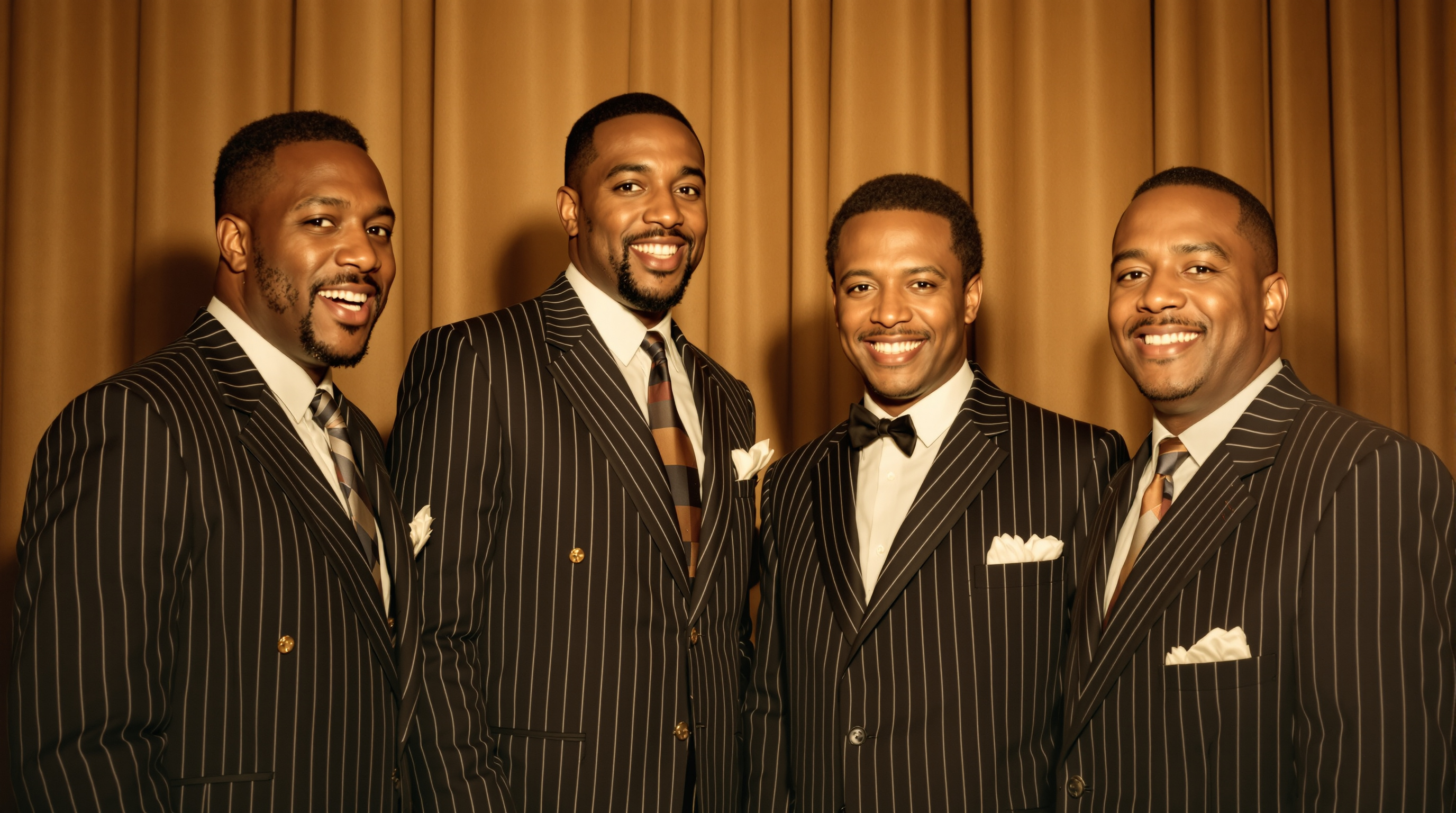
The Southern Gospel Music Tradition
When Dale and Grace transitioned from pop music to gospel in the 1990s, they were coming home to a musical tradition that had shaped their earliest musical experiences. Southern gospel music, with its emphasis on close harmonies, emotional delivery, and messages of faith, provided the perfect vehicle for their remarkable vocal gifts. Understanding this tradition helps us appreciate the depth and authenticity of their gospel ministry.
Roots of a Genre
Southern gospel music emerged in the late 19th and early 20th centuries, growing from the convergence of several musical streams. Shape-note singing schools, African American spirituals, white revival hymns, and the emerging commercial music industry all contributed to what would become a distinctive American genre.
The music is characterized by tight vocal harmonies, often performed by quartets or family groups. The lyrics focus on Christian themes—faith, salvation, heaven, and the personal relationship with God. Unlike some other forms of religious music, Southern gospel emphasizes accessibility and emotional connection, making it popular with audiences who might not be drawn to more formal sacred music.
The Quartet Tradition
For much of its history, Southern gospel was dominated by professional quartets. Groups like The Blackwood Brothers, The Statesmen, and The Oak Ridge Boys (before their country music success) set the standard for the genre. These quartets developed a distinctive sound featuring tight harmonies, often with a prominent bass voice and soaring tenor leads.
The quartet tradition established conventions that Dale and Grace drew upon in their gospel work. The importance of vocal blend, the emotional interpretation of lyrics, and the balance between musicianship and spiritual message all reflected values central to the quartet tradition.
Louisiana Gospel Heritage
Louisiana, where Dale and Grace both grew up, has its own rich gospel music heritage. The state's unique cultural mix—French Catholic, African American Protestant, Cajun, Creole—created a gospel sound distinct from the Georgia-Tennessee center of the Southern gospel industry.
Churches throughout Louisiana rang with gospel music that blended these various influences. Camp meetings, revivals, and Sunday services provided venues where young singers could develop their skills and absorb the traditions of sacred music. This environment nurtured Dale and Grace's early musical development, planting seeds that would later bloom in their gospel ministry.
The Gospel Music Industry
By the time Dale and Grace entered gospel music professionally, an established industry existed to support and promote the genre. The Gospel Music Association, founded in 1964, served as the genre's primary trade organization. Gospel music festivals, radio programs, and recording labels created an infrastructure that supported professional gospel musicians.
While smaller than the pop or country music industries, gospel music maintained a devoted audience and sustainable commercial presence. Fans supported their favorite artists through album purchases, concert attendance, and faithful radio listenership. This loyal audience provided the foundation for Dale and Grace's gospel ministry.
Themes and Messages
Southern gospel lyrics address the full range of Christian experience. Songs about salvation express the joy and relief of finding faith. Songs about struggle acknowledge the difficulties of life while affirming God's presence and help. Songs about heaven offer comfort and hope, painting pictures of reunion with loved ones and eternal peace.
Dale and Grace's gospel repertoire reflected these themes. "How Great Thou Art" expressed reverent wonder at divine majesty. "I'd Rather Have Jesus" testified to the priority of faith over worldly success. "That Old Rugged Cross" focused on the central message of Christian redemption. Each song allowed the duo to share their faith while showcasing their vocal abilities.
The Singing Convention Tradition
Southern gospel music has always been participatory. Singing conventions brought together amateur and professional singers for all-day events featuring group singing from songbooks. These conventions kept the tradition alive at the grassroots level and created networks of enthusiasts who supported the professional artists.
The convention tradition influenced the performance style of Southern gospel. The music was designed to be accessible—melodies that congregations could follow, harmonies that amateur singers could attempt, messages that spoke directly to common experiences of faith and life.
Contemporary Southern Gospel
While honoring traditional sounds, Southern gospel has continued to evolve. Contemporary artists have incorporated elements of country, pop, and contemporary Christian music while maintaining the genre's core identity. Recording technology has allowed for more sophisticated productions, while the essential emphasis on vocal performance and spiritual content remains.
Today's Southern gospel scene includes both performers who maintain strictly traditional approaches and those who blend the tradition with modern influences. This diversity ensures the genre's continued vitality while preserving its distinctive character.
Streaming platforms and social media have opened new pathways for Southern gospel artists to reach audiences. Younger performers are finding that the genre's emphasis on authenticity and vocal excellence translates well to digital formats, where listeners actively seek out music with emotional substance and spiritual depth. This digital expansion has introduced Southern gospel to international audiences who might never have encountered the genre through traditional American radio or concert circuits.
A recent point of reference is the Gospel Music Association's list of winners at the 57th GMA Dove Awards. The ceremony took place October 6, 2026, at Nashville's Bridgestone Arena. Southern Gospel Album of the Year went to "Good Answers" by Karen Peck & New River, while Southern Gospel Recorded Song of the Year went to "No Rock" by Jeff & Sheri Easter. The association also reported that Karen Peck earned her ninth career Dove Award.
For listeners exploring contemporary Southern gospel, these two categories offer different starting points: one complete album and one individual song. Comparing them can help a listener think about how a single performance relates to a longer collection. The separate Southern Gospel categories also give the genre a clearly named place within the broader awards list.
Dale and Grace's Contribution
When Dale and Grace brought their pop music experience to Southern gospel, they contributed something valuable to the genre. Their vocal polish, stage professionalism, and experience with recording production raised the bar for performance quality. At the same time, their genuine faith and respect for the tradition ensured that their gospel work had spiritual authenticity.
Their "In God's Hands" album and their live gospel performances represented a bridge between the wider world of popular music and the Southern gospel tradition. For fans who knew them primarily through "I'm Leaving It Up To You," their gospel work offered a deeper dimension. For gospel music enthusiasts, Dale and Grace brought welcome visibility and mainstream credibility to the genre they loved.